
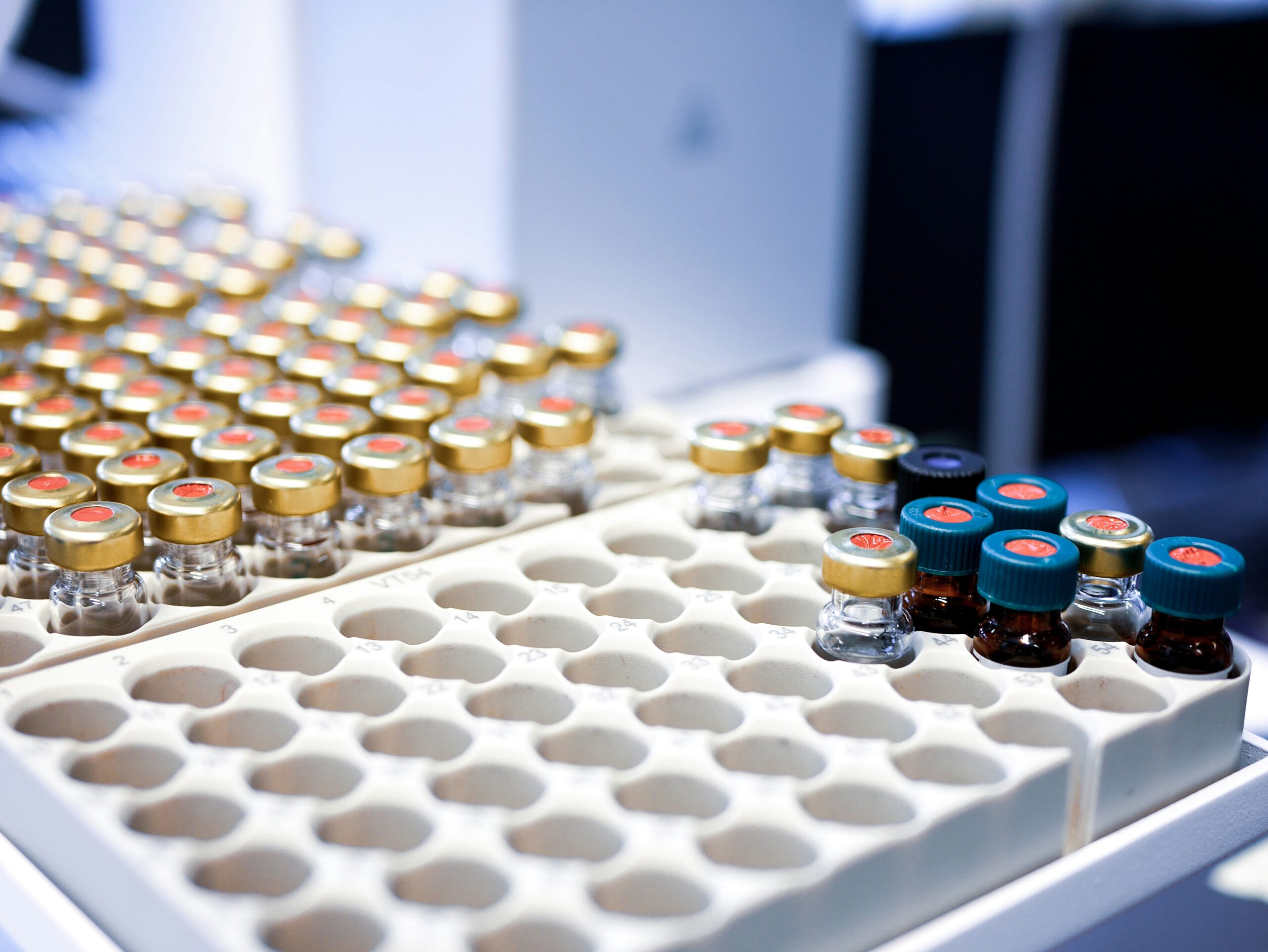
Peptides are getting a lot of attention in the health and fitness world, and for good reason. They’re tiny but powerful compounds that help with muscle growth, fat loss, anti-aging, and even recovery. But with all the hype, it’s easy to get lost in the science. Let’s break it down in a way that actually makes sense.
What Are Peptides?
Peptides are short chains of amino acids—the building blocks of proteins. Think of them like mini-proteins that tell your body what to do. Since they’re smaller than full proteins, they get absorbed and used by the body much faster. Your body naturally produces peptides, but supplementing with specific ones can help optimise things like hormone production, skin health, and recovery.
How Do Peptides Work?
Peptides act as messengers, signaling different processes in the body. The type of peptide determines what it does. Some boost growth hormone, some help with fat metabolism, and others improve tissue repair.
For example:
- BPC-157 – Known for its healing properties, especially for injuries, gut health, and inflammation.
- CJC-1295 & Ipamorelin – Stimulate growth hormone release, aiding muscle growth, fat loss, and recovery.
- TB-500 – Helps with wound healing, muscle recovery, and overall tissue repair.
- GHRP-2 & GHRP-6 – Increase growth hormone levels and can improve appetite and muscle recovery.
Peptides are highly targeted, meaning they have specific effects without messing with other functions in the body.
Why Are Peptides So Popular?
People are turning to peptides because they work naturally with the body. Instead of forcing unnatural changes, they help optimise what’s already happening. This makes them a favourite for athletes, bodybuilders, and even people looking to slow aging or heal injuries faster.
Some key benefits include:
✅ Muscle Growth & Strength – Peptides like CJC-1295 and Ipamorelin boost growth hormone, helping with lean muscle gain.
✅ Fat Loss – Peptides can help speed up metabolism and improve the way your body burns fat.
✅ Faster Recovery – Healing peptides like BPC-157 and TB-500 can help repair muscles, tendons, and joints faster.
✅ Anti-Aging & Skin Health – Some peptides stimulate collagen production, improving skin elasticity and reducing wrinkles.
✅ Improved Sleep & Energy – Growth hormone-related peptides often improve deep sleep, leading to better recovery and energy levels.
How Are Peptides Used?
Most peptides come in injectable form, which is the most effective way to use them since they break down in the stomach if taken orally. They’re typically injected subcutaneously (just under the skin). Dosages and cycles depend on the specific peptide and individual goals.
Note: Peptides are for research purposes, and anyone considering them should always do their own due diligence.
Are Peptides Safe?
Peptides are generally well-tolerated when sourced from high-quality manufacturers. Since they mimic natural processes, side effects are usually minimal compared to synthetic drugs. However, improper use or low-quality products can cause issues, which is why sourcing from a trusted supplier is critical.
Final Thoughts
Peptides are a game-changer in performance, recovery, and longevity. They help fine-tune the body’s natural processes, making them one of the most exciting advancements in health and fitness. Whether you’re looking to build muscle, heal faster, or slow aging, peptides offer a targeted and effective approach.
Sources & Further Reading
- Hyman, M. (2023). Peptides 101: Everything You Need to Know. Dr. Hyman’s Blog
- Clinical Applications of Peptides in Medicine. Journal of Peptide Science.
- Growth Hormone Secretagogues and Performance. Frontiers in Endocrinology.