
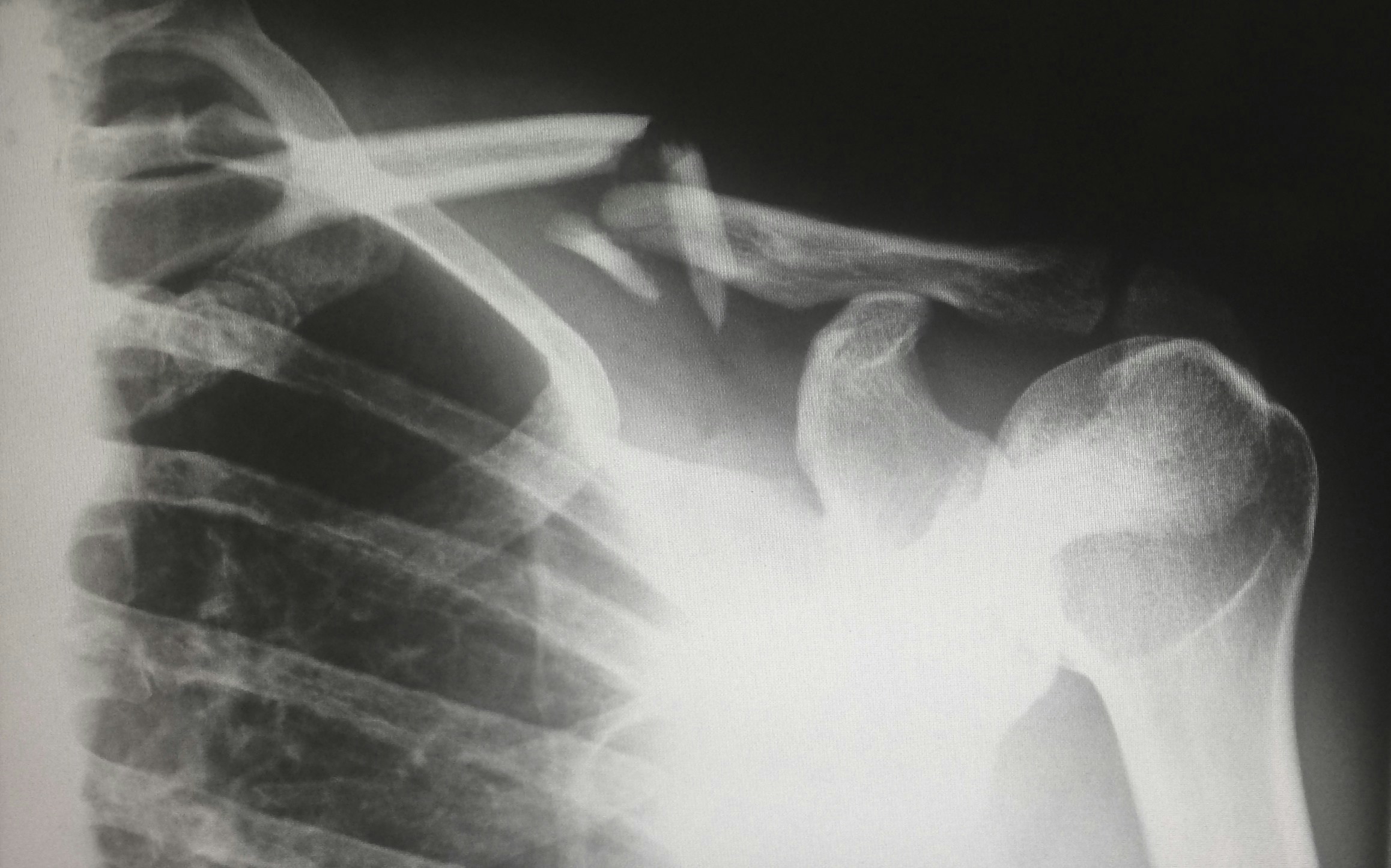
Teriparatide has emerged as a significant treatment for individuals facing severe bone density issues and osteoporosis, especially those at high risk of fractures. As one of the few medications that stimulate bone growth, teriparatide offers new hope for people whose bones need more than just maintenance.
What is Teriparatide?
Teriparatide is a synthetic form of parathyroid hormone (PTH), which is naturally produced by the body to regulate calcium levels and bone metabolism. Unlike most osteoporosis drugs that focus on slowing bone loss, teriparatide is an anabolic treatment—meaning it actively promotes the formation of new bone. This makes it particularly effective for patients with severe osteoporosis or a history of fractures.
How Teriparatide Works
Teriparatide mimics PTH’s natural function in controlled doses. By intermittently stimulating bone-forming cells (osteoblasts), it triggers new bone growth and improves bone density. This effect contrasts with most osteoporosis treatments, which primarily inhibit bone resorption (the breakdown of bone). Because it actively builds up the skeleton, teriparatide is used when other medications might not provide sufficient protection.
Dosage and Administration
The recommended dosage of teriparatide for both men and women with osteoporosis is 20 micrograms (mcg) or 0.02 milligrams (mg) per day. This dose is administered as a once-daily subcutaneous injection in the thigh or abdomen.
Treatment with teriparatide is generally limited to a maximum of two years due to potential risks and diminishing returns in bone growth beyond this period. After this two-year course, patients usually transition to other osteoporosis treatments to help maintain the gains in bone density.
Effectiveness in Treating Bone-Related Ailments
Teriparatide is primarily prescribed to:
- Reduce the Risk of Fractures: Studies indicate that teriparatide can lower the risk of spinal fractures by up to 65% and non-spinal fractures by approximately 50% in patients with osteoporosis.
- Increase Bone Density: Patients taking teriparatide often experience measurable increases in bone mineral density (BMD) in critical areas, such as the spine and hips.
- Support in Severe Cases: It is often prescribed for patients who haven’t responded well to other osteoporosis treatments or those at high risk of fractures due to conditions like steroid-induced osteoporosis.
Who Should Use Teriparatide?
- Postmenopausal Women and Men with Osteoporosis: For individuals with very low bone density or a history of fractures, teriparatide is often prescribed as a last-resort treatment.
- People with Osteoporosis from Long-Term Steroid Use: Certain medications, particularly glucocorticoids, can induce bone loss, and teriparatide offers an option to counteract these effects.
- Those Who Cannot Tolerate Other Medications: For individuals who experience severe side effects from other osteoporosis medications, teriparatide can serve as an alternative.
Potential Side Effects and Safety Concerns
Most individuals tolerate teriparatide well, but some side effects are worth noting:
- Mild Side Effects: Nausea, dizziness, and leg cramps can occur, especially during the initial stages of treatment.
- Rare Risks: Teriparatide carries a rare but notable warning regarding a type of bone cancer called osteosarcoma, observed in some animal studies. Although it hasn’t been seen in human studies, caution is generally advised for those with a higher risk for osteosarcoma.
Teriparatide is a unique and highly effective treatment for severe osteoporosis and other bone-density disorders, particularly when fracture prevention is critical. By actively building bone rather than simply slowing down bone loss, teriparatide provides a new approach for those who need it most. While it may not be the first line of treatment for everyone, it offers the potential for stronger bones and fewer fractures.
As always, it’s essential to consult a healthcare provider to assess the risks, benefits, and whether teriparatide is the right choice for your specific health needs.
Sources: